Jet Classes
From turboprops to corporate airliners
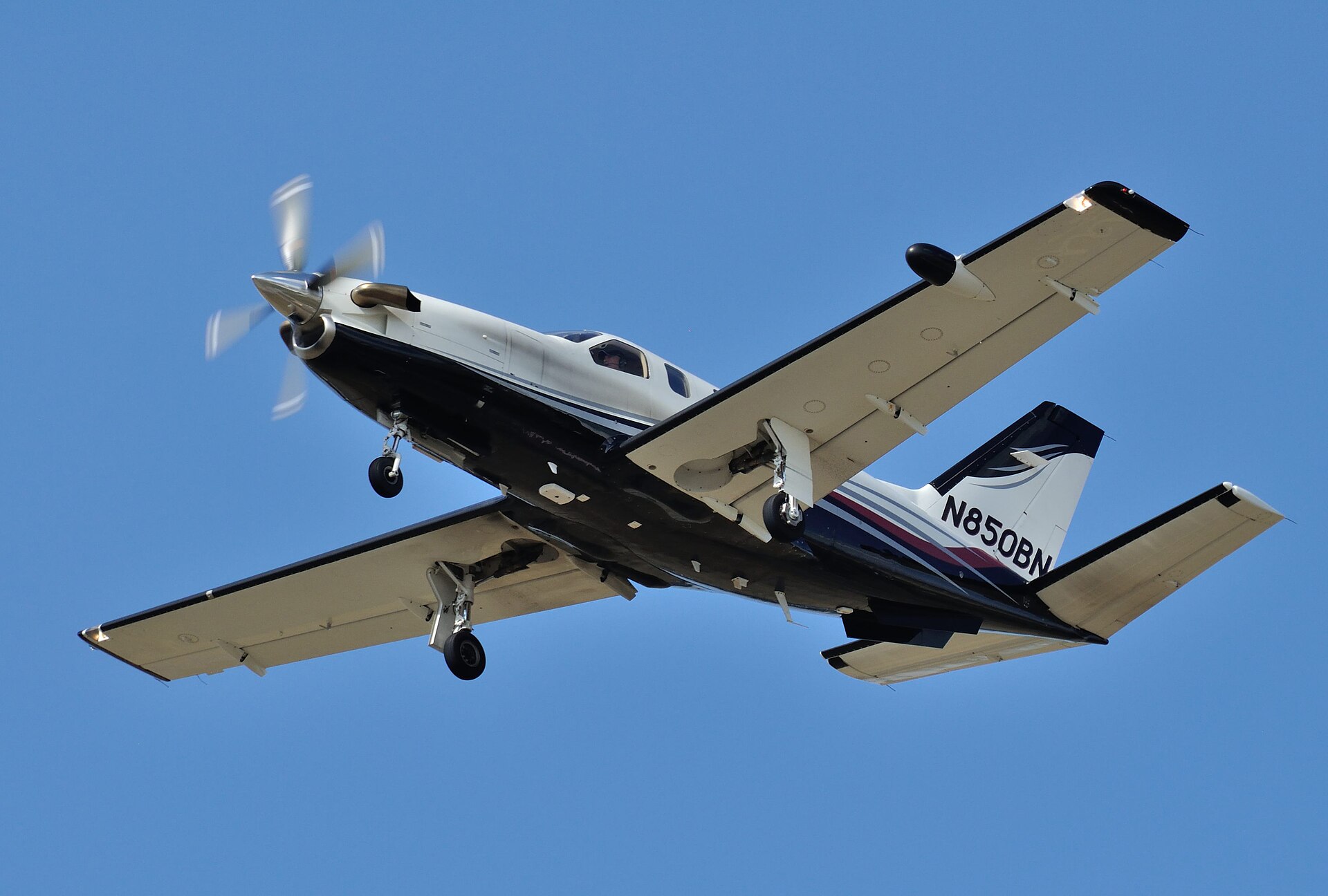
Turboprops
Short runways, short hops, and efficient flying.
Turboprops are propeller aircraft driven by jet-type turbine engines. They are efficient on shorter trips and can often use short or unpaved runways that jets cannot, opening up smaller airfields close to your destination. They fly slower and lower than jets, and cabins are generally compact.
- Passengers
- 4–9
- Typical range
- ~1,000–1,800 nm
- Cabin
- Club seating, large cargo door on some models
Examples: Pilatus PC-12, Beechcraft King Air 350, Daher TBM 960
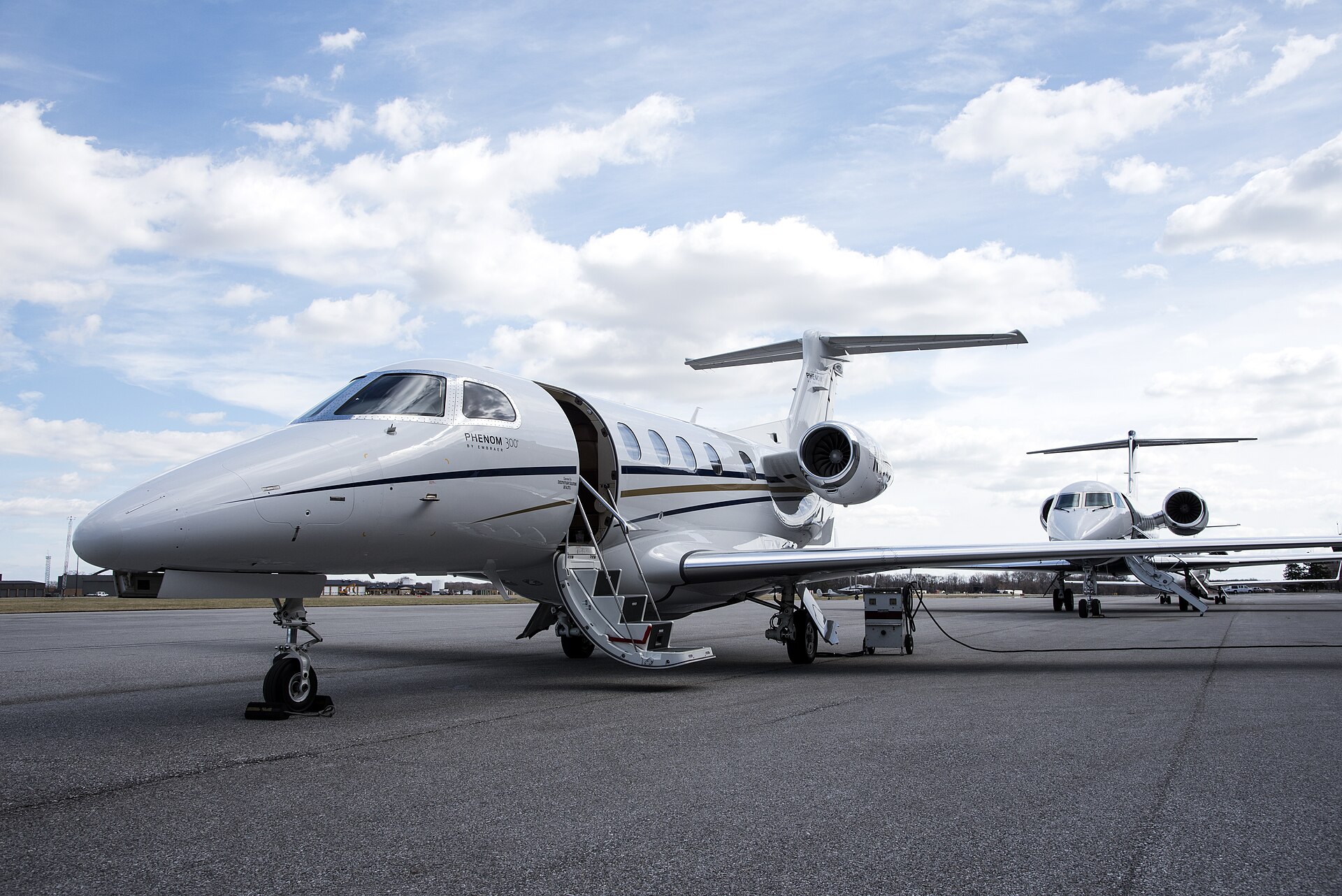
Light Jets
Quick, nimble, and at home on shorter runways.
The entry point to private jet travel. Light jets suit short regional trips and can use smaller airports that larger aircraft cannot, often putting you closer to your final destination. Cabins are compact, and baggage space is limited.
- Passengers
- 4–8
- Typical range
- ~1,200–2,000 nm
- Cabin
- Club seating, not stand-up
Examples: Embraer Phenom 300, Cessna Citation CJ3, Learjet 45
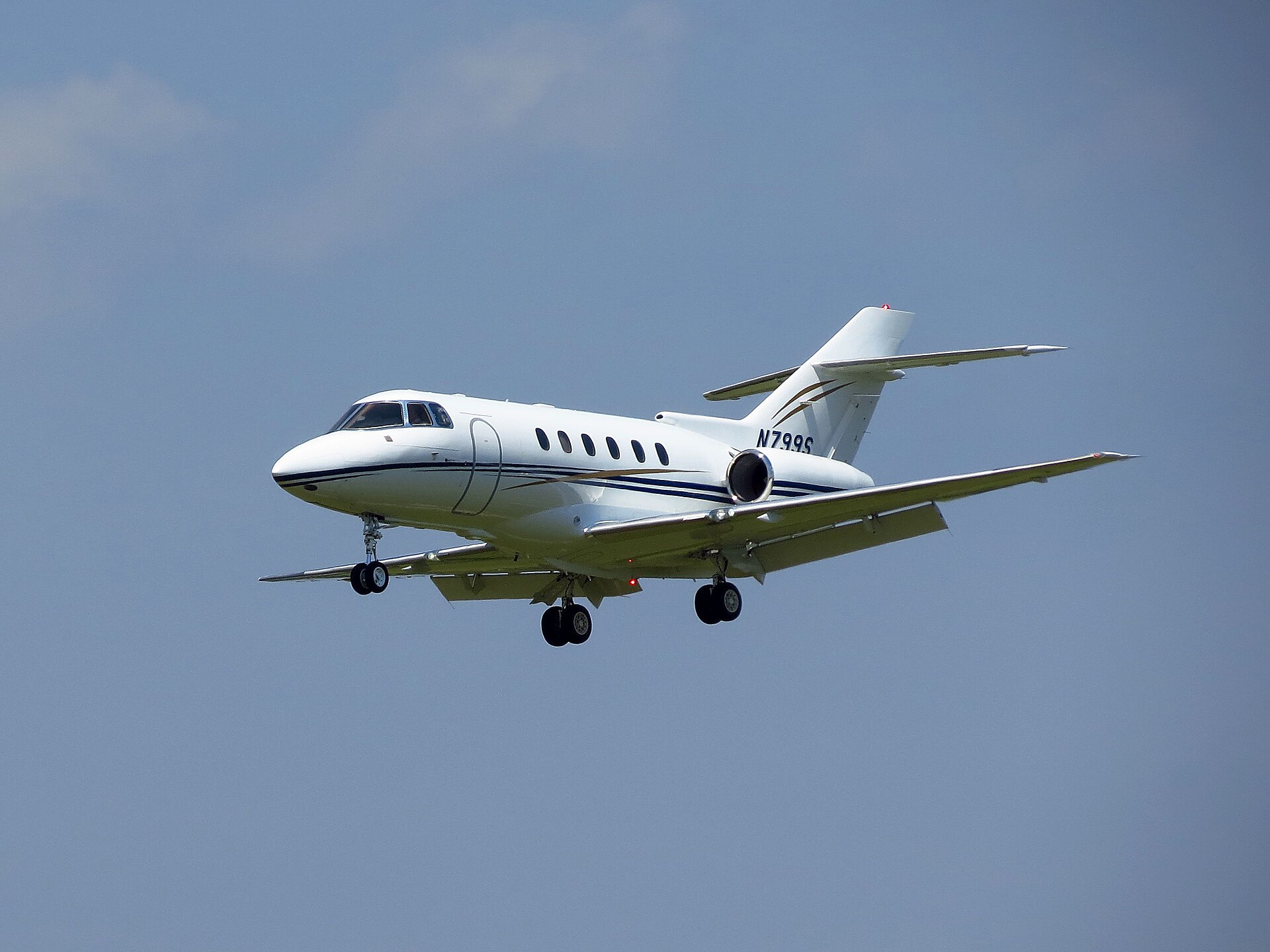
Midsize Jets
A step up in cabin room and range.
Midsize jets add cabin width, more baggage space and the range for coast-to-coast style hops with a fuel stop in some conditions. A popular balance of comfort and operating size for regional and cross-country flying.
- Passengers
- 6–9
- Typical range
- ~2,000–2,800 nm
- Cabin
- Roomier, near stand-up
Examples: Hawker 800XP, Learjet 60, Cessna Citation Excel
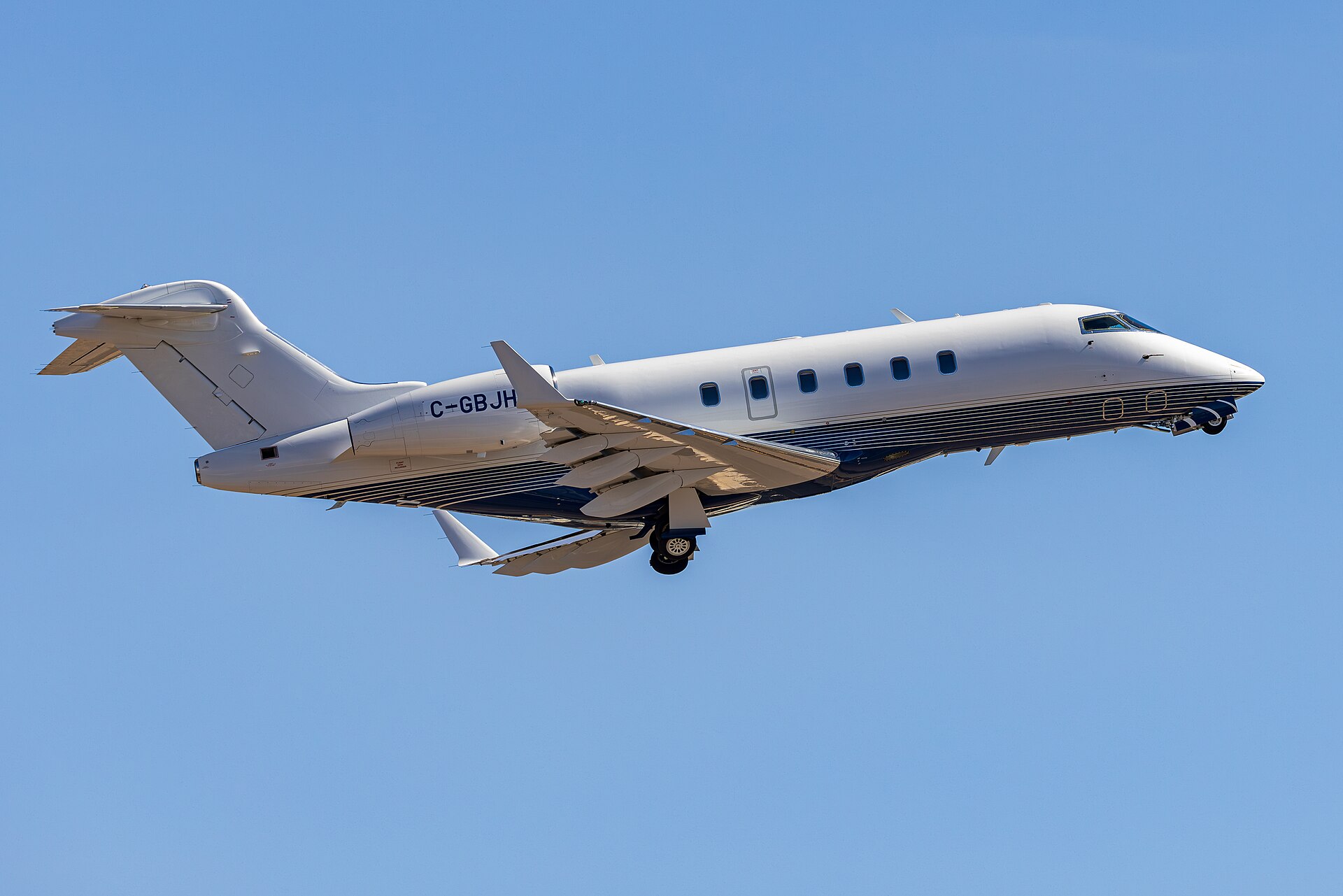
Super-Midsize Jets
Stand-up cabins and true cross-country reach.
Super-midsize jets bring a wider, stand-up cabin and typically fly non-stop across the United States. Many have an enclosed lavatory, a refreshment center and a flat-floor cabin built for work or rest.
- Passengers
- 8–10
- Typical range
- ~3,000–3,800 nm
- Cabin
- Stand-up, often with a galley
Examples: Bombardier Challenger 350, Gulfstream G280
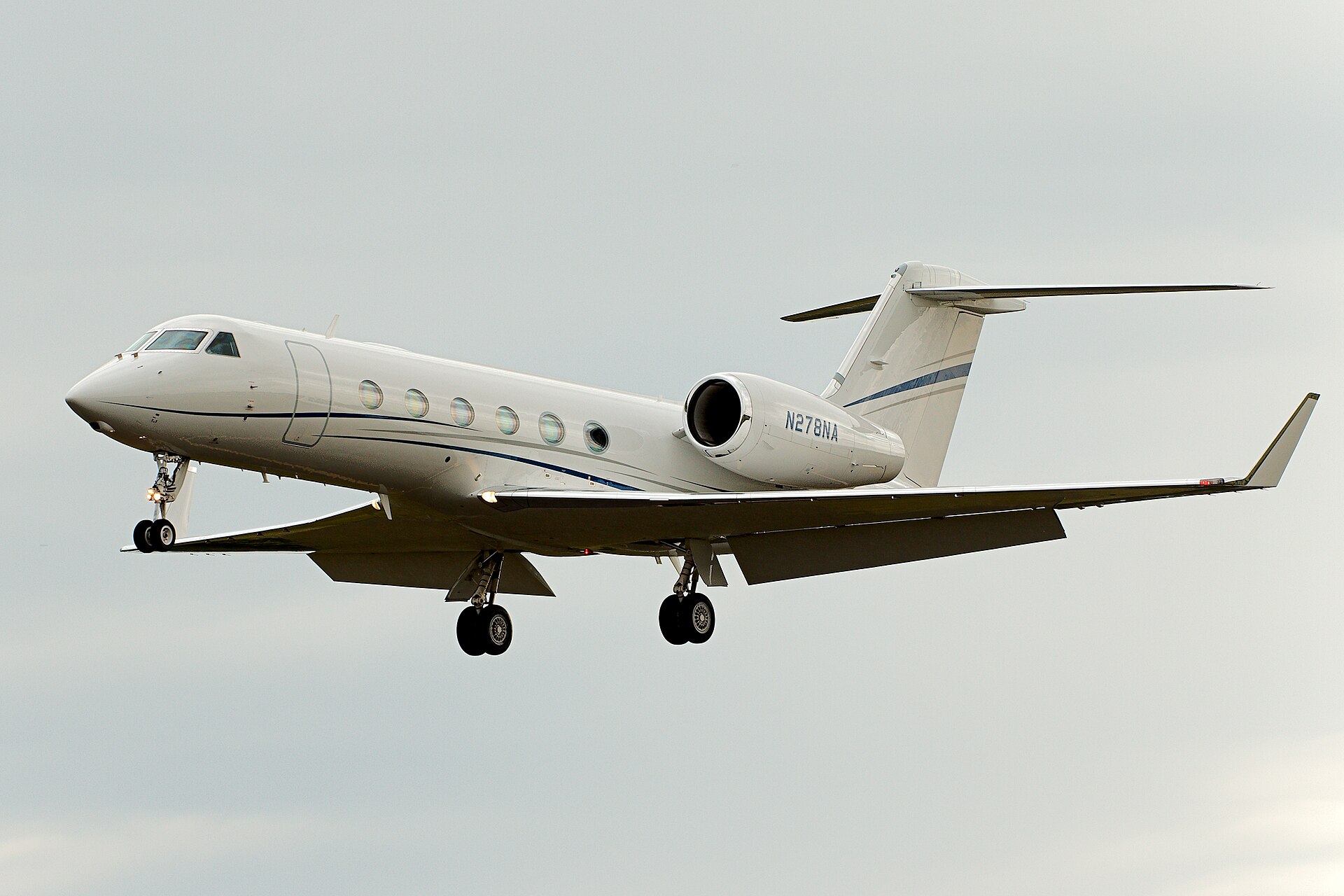
Heavy Jets
Intercontinental range with room to spread out.
Heavy jets, including the ultra-long-range models, are built for long overwater and intercontinental flights. Larger cabins can include multiple living zones, sleeping accommodations, a full galley and a crew rest area.
- Passengers
- 12–16+
- Typical range
- ~4,000–7,500+ nm
- Cabin
- Stand-up, with divans and a full galley
Examples: Gulfstream G450 / G550 / G650, Bombardier Challenger 605 / 650, Global 6000 / 7500
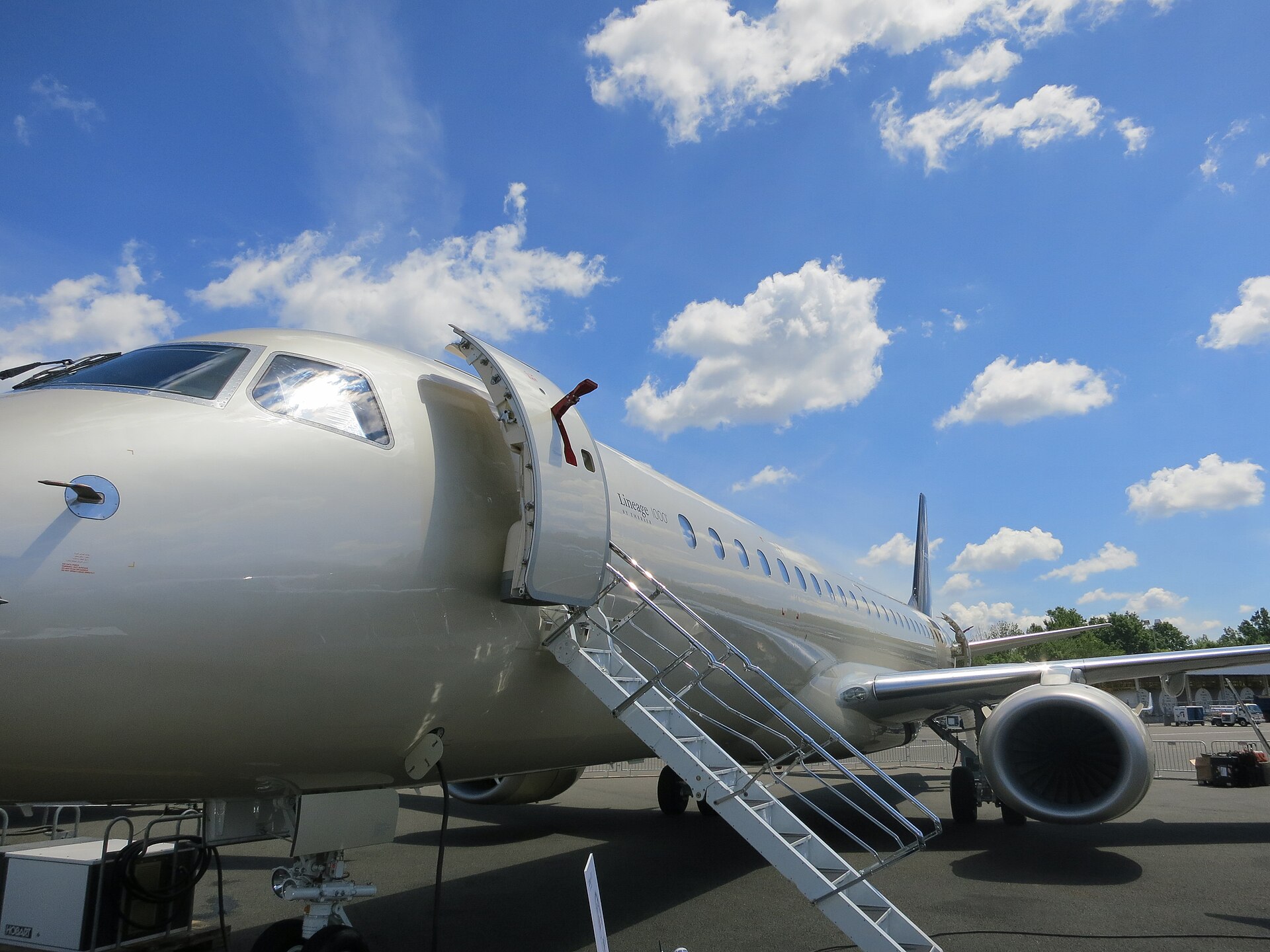
Corporate Airliners
Airliner-sized cabins configured for private use.
Airliner-based business jets offer the largest cabins in private aviation. Layouts can include a dedicated bedroom, dining and conference areas, and shower facilities, and they carry large groups over long distances.
- Passengers
- 19–50+
- Typical range
- ~4,000–6,000+ nm
- Cabin
- Multi-room layouts possible
Examples: Boeing Business Jet, Airbus ACJ319 / ACJ320, Embraer Lineage 1000
At a glance
| Class | Passengers | Typical range | Cabin |
|---|---|---|---|
| Turboprops | 4–9 | ~1,000–1,800 nm | Club seating, large cargo door on some models |
| Light Jets | 4–8 | ~1,200–2,000 nm | Club seating, not stand-up |
| Midsize Jets | 6–9 | ~2,000–2,800 nm | Roomier, near stand-up |
| Super-Midsize Jets | 8–10 | ~3,000–3,800 nm | Stand-up, often with a galley |
| Heavy Jets | 12–16+ | ~4,000–7,500+ nm | Stand-up, with divans and a full galley |
| Corporate Airliners | 19–50+ | ~4,000–6,000+ nm | Multi-room layouts possible |
Figures are approximate and vary by aircraft model, configuration, payload, weather and other conditions. Class boundaries are informal industry groupings, and different sources may place the same aircraft in different classes. nm = nautical miles.
Photo credits
- Turboprops — Gyrostat / CC BY-SA 4.0
- Light Jets — Privatejetexpert / CC BY-SA 4.0
- Midsize Jets — redlegsfan21 / CC BY-SA 2.0
- Super-Midsize Jets — Piemags Aviation / CC BY-SA 4.0
- Heavy Jets — Airwolfhound from Hertfordshire, UK / CC BY-SA 2.0
- Corporate Airliners — JetRequest.com / CC BY-SA 3.0